

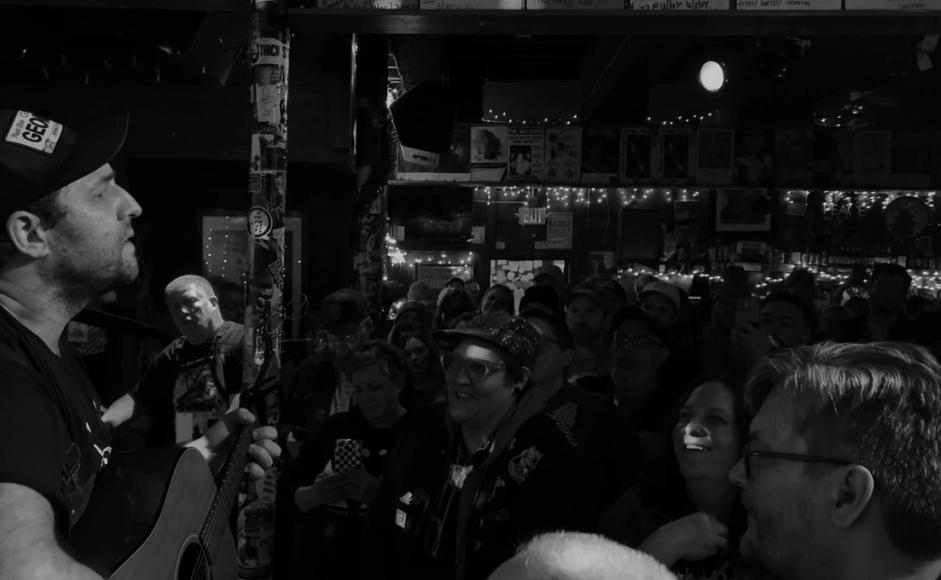
Plateprat med Lee Bains

Olav Nilsen
03.08.2026
Lee Bains III er en låtskriver og poet fra Birmingham, Alabama, som har gitt ut fire studioalbum med det Rolling Stone kaller «Southern gospel punk».
Lee Bains III er endelig tilbake I Norge og tatt seg tid til en prat.
Vil du få med deg konsertene i august så er spillestedene: Skarnes, Trondheim, Halden, Drammen, Oslo og Lillehammer. Er du fan av Drive-By-Truckers, Jason Isbell eller Old 97, da blir dette en uforglemmelig opplevelse!
What’s your relationship with libraries?
I love libraries! I’m a proud member of Atlanta Fulton County Library, and am very grateful to be able to use so many of the resources they make available to the community, from book checkout to research portals to streaming audiobooks and films.
I grew up going to the big Central Library in downtown Birmingham, Alabama, as well as our local branch, the Avondale Library. They are where I learned to read, first encountered historical documents, learned that there was no one way of looking at a given subject, and first cast a vote in an election.
One of the first punk shows I ever played was in a library in Huntsville, Alabama. The Central Library in Birmingham has started having shows lately too. Thank God for libraries!
What's the most recent record that completely surprised you?
My old friend recently told me about Mary Margaret O’Hara’s album Miss America. What most stunned me about it right away was her voice.
The songs on the album are deeply felt, creative, original. But that voice is what hit me first. We listen to humans sing constantly. We’ve heard innumerable human voices in our lives.
So, when I, at 41 years old, hear a person employ their voice in a way that I’ve never heard before, that is as singular as the way O’Hara uses it on that record, I stand right up and take notice. It is a rare thing.
Which novel has left a lasting impression on you, and why?
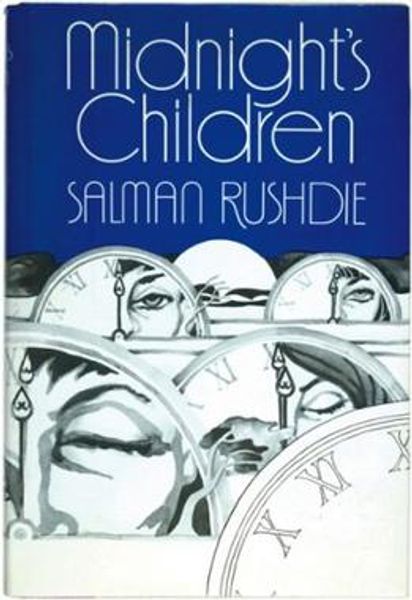
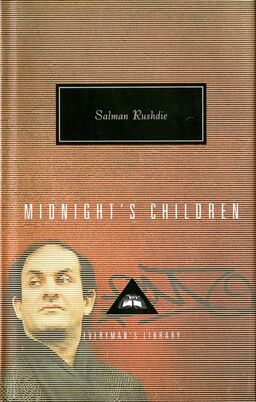
Midnight’s Children by Salman Rushdie. It is a bit of a tome, but I’ve still read it in its entirety at least twice, and in passages many more times.
I don't think I’ve ever encountered a book that marries the political and personal in such an inspired and complex and evocative way on a by-word and by-line level. The sentences are incredibly sensory, and the shifts in tone and perspective are electric. I think I experience the full range of human emotion over the course of reading the book, and am left with a powerful love for and awe of humanity.
What non-fiction book would you suggest, and what makes it worth reading?
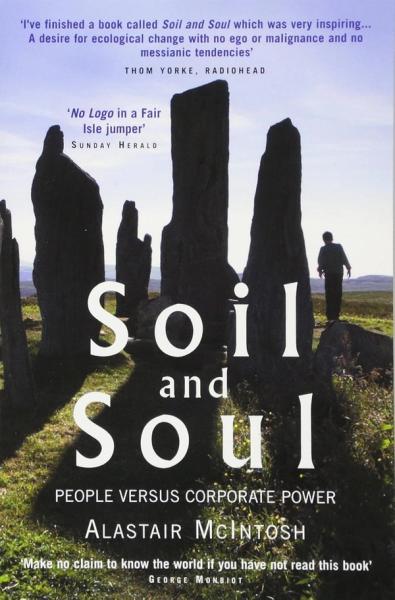
I’ve been inspired mightily the past few years by Soil and Soul, a beautiful, deep, inspiring book written by Alastair McIntosh. Focused on the work of its writer in understanding his homeplace of the Scottish Isles and seeking justice there, it is a memoir, a study of place, a spiritual sojourn, and a political treatise, all of those aspects strengthening one another.
In a way both similar to and very different from Midnight’s Children, there is a convergence of the political and personal, spiritual and material, local and global in a way that is deeply powerful to me. I’ve recommended it to a good number of friends, and all of them who’ve read it loved it.
Has there ever been a moment when speaking your mind publicly came at a personal or professional cost?
This happens constantly. I’ve had innumerable rejections and offers rescinded because of speaking my mind, and have had to turn down a lot of opportunities due to living by my conscience. (I wouldn’t have any way of knowing how many opportunities I was never offered because of those things, but I’d imagine at least some.)
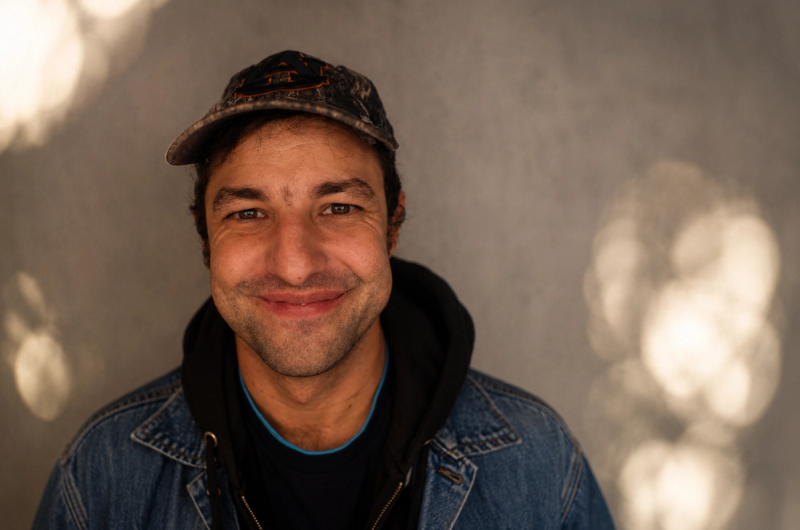
I’ve been dropped by labels for being outspoken. I’ve had the cops called and power pulled for playing too loud. I’ve had the cops called for playing music as part of protests. I’ve been harangued for speaking in opposition to fascism, right-wing economics, racism, xenophobia, patriarchy, etc at shows. I’ve had everybody from venue bookers to publicists refuse to work with me because of political stances I’ve taken.
But I’ve done just as much rejecting, if not more. I turned down a major-label contract because of the way major labels consolidate power and control artists. I turned down a high-powered manager because he seemed to lack integrity. I turned down licensing my music to commercials and performing at corporate events for beaucoups of money because I don’t want my music to help sell products. I’ve refrained from booking shows with companies like Live Nation and AEG, because they are driving independent and DIY venues out of business and exploit artists.
All of those decisions were made because I oppose the consolidation of wealth and power under massive corporations, and because I don't want to make my art for any reason but my own soul’s purpose. And all of those consequences, I think, are to some degree inevitable outcomes of resisting or criticizing power structures, and sticking to it. An arms manufacturer isn't going to write you a check when you rail against the military-industrial complex! And that's okay! That's just as it should be!
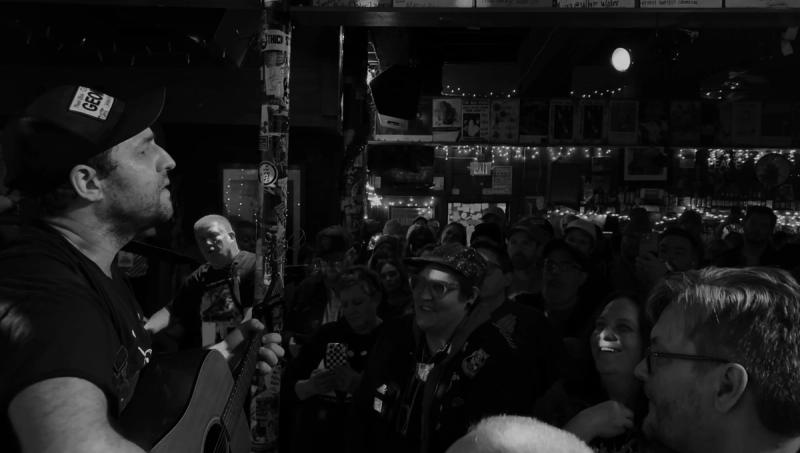
What has gotten challenging is that, while in the 90’s and 00’s, purely independent artists and labels could support themselves, it's become harder and harder to work as an independent artist, since the independent music infrastructure has been eroded and undermined by the parties and systems involved in the consolidation I was describing.
Again, that's why I feel like the choices I’ve made (and that so many of my friends and peers have made) are important and meaningful, however small or obscure they might be.
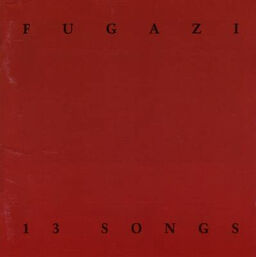
Joe Steinhardt, who runs the label Don Giovanni, which has been my records’ home for almost 10 years now, speaks very eloquently and intelligently about all of this. Like so many others, I learned this way of doing things from watching bands like Fugazi and all the many bands across the country they inspired, including my cousin Will who has been making true DIY punk music for decades. When these older-sibling-type punks spoke, I listened. At first, I didn’t totally understand *why* what they were saying was important, but I could tell from their conviction and intelligence that it probably was. Years later, my experience has proven its importance to me.
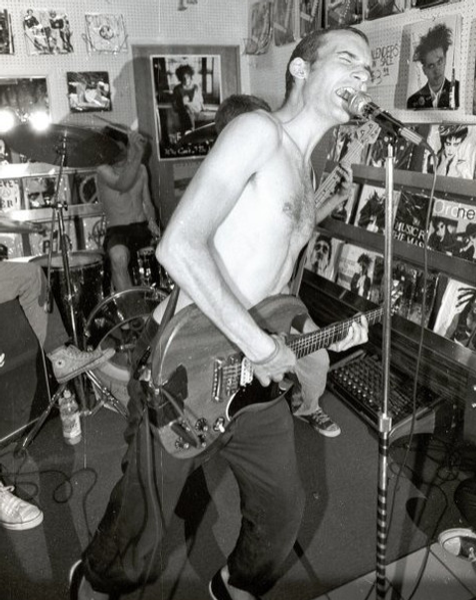
Anyway, while those experiences I was describing above could be seen as costing me money, opportunities, or audience, they can be seen even more, I think, as gifts.
When I look back on my 15 years of putting out records and touring under my own name, there are plenty of things I could have done better, more wisely, more efficiently, more strategically, more kindly, more healthily, more virtuously, more patiently, more faithfully, etc. But when I look back, I do see myself making choices that were true to my ethics over and over again. The sense of independence, satisfaction, and integrity that arises from that can't be bought or synthesized. The harder the choice was to make, the better it feels to have made it. Many days of the last 15 years, I've had to pick up trash and dig ditches and whatever else to make a living, and I’m a better person and artist for it. I’ve never had to sell out the intent of my songs. Not once. When I get up there and sing those songs, I can stand behind every word.
Doing things that way has given me such incredible gifts: the relationships I’ve built with people all over the world with common principles and ethics; the friendships I’ve made; the experiences of encountering rad art and movements; the experience of learning about the nature of art, community, mutuality, respect, humility, equality, freedom, solidarity. These are gifts that can't be measured. They continually inspire me to make more art.
Which concert will you never forget?
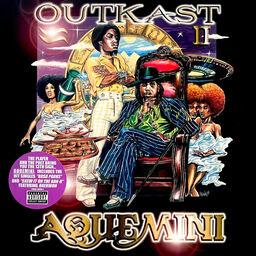
I was fortunate to see the group Outkast perform at what I regard as their creative height, and at the height of my teenage wildness. It was at a city-wide festival in Birmingham in 2002, and they were touring on the heels of Stankonia and the preceding album Aquemini.
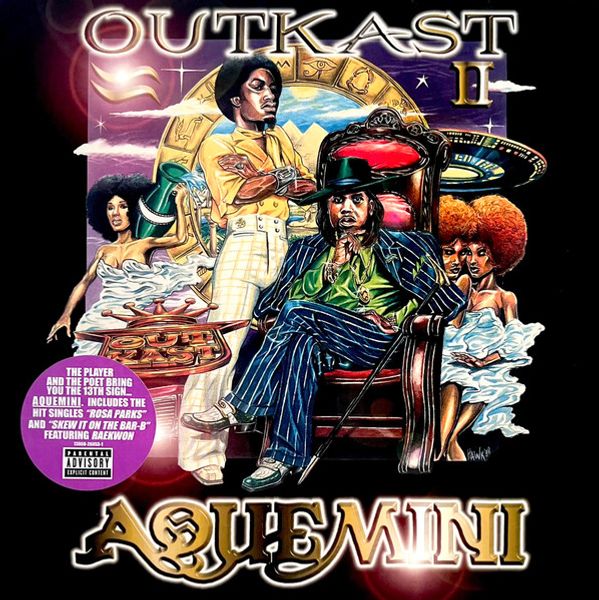
Since Atlanta isn’t too far from Birmingham, they brought over their studio band, featuring members of Organized Noize. The streets were absolutely surging with a youthful vibrance, every type of young person in our region represented. It all felt so wild, unified, and alive, enthralled by the music of these brilliant, provocative, forward-looking Southern artists.
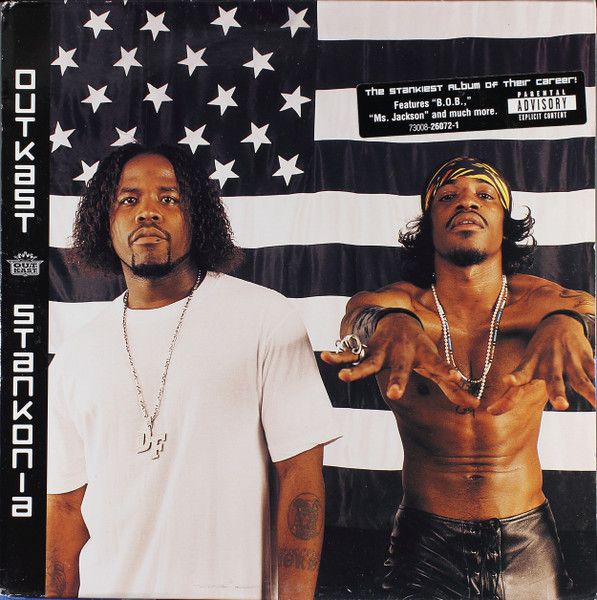
For most of my life, I’ve been out of step with pop culture. For the most part, I think pop culture favors superficial, artless product rather than deep art. That era of hip-hop, though, has been the exception thus far in my lifetime.
Outkast was like our Beatles, or something. They were creating great art that was also deeply relatable, beautifully memorable, and massively popular. I hope I’ll never forget it.
Which album can you still listen to when you're tired of music?
Brian Eno’s Music for Airports. For me, it is a constant fount of inspiration, mystery and beauty. It's funny to think about it playing over loudspeakers in airports, as he apparently intended, because it’s so tender, reflective, and artful;
I pretty much only listen to it when I’m alone. I wonder if playing it aloud in places like airports would lead us to treat each other better?
Lee Bains III
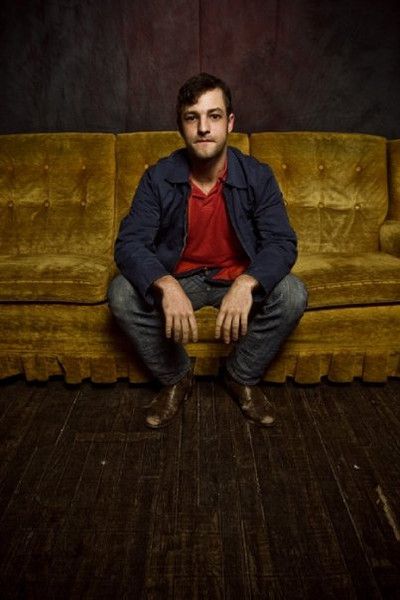
Lee Bains is a songwriter and poet from Birmingham, Alabama, who has released four studio albums of what Rolling Stone calls “Southern gospel punk” since 2012.
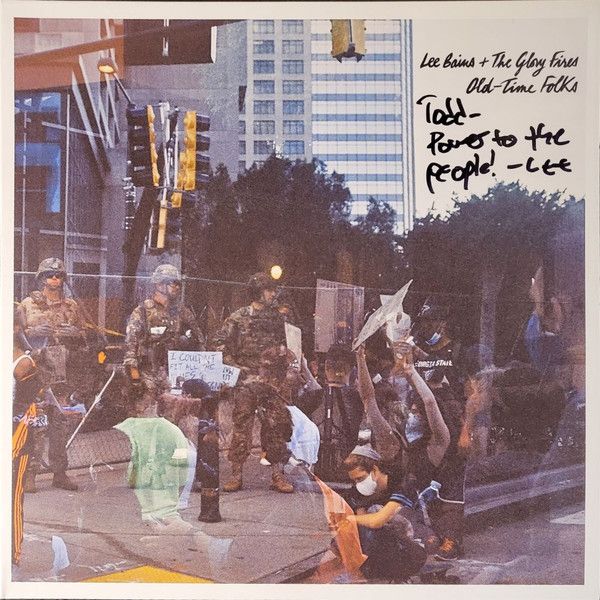
His most recent album, Old-Time Folks, released by Don Giovanni Records in 2022, explored stories of People’s movements in the Deep South to acclaim from the likes of Rolling Stone, The New York Times, NPR, and the Guardian.
He has collaborated in live performance and on recordings with artists including Lonnie Holley, Moor Mother, Pussy Riot, and Algiers.
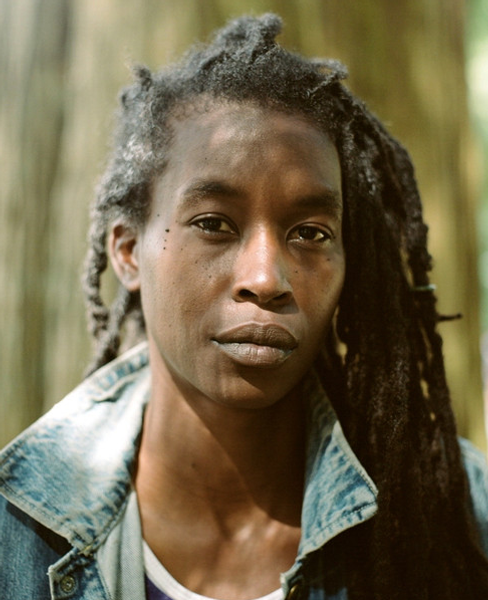
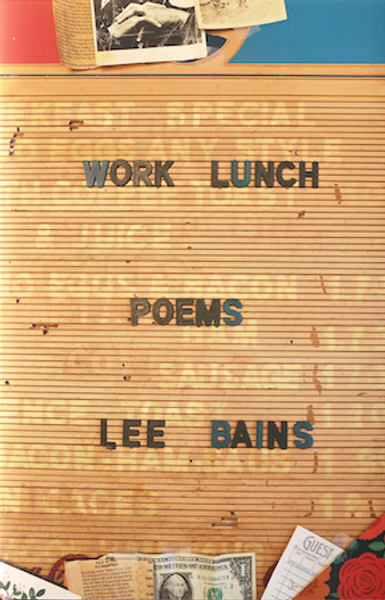
After first having his poems published by The New Yorker in 2021, Lee will see his debut poetry collection, WORK LUNCH, published by Hub City Press in the fall of 2026.
In addition to touring around the U.S. and Europe, Lee has lent his music to support striking coal miners, immigrants’ rights groups, abortion funds, and anti-racism organizations.
He has performed and read at Emory University, the University of Mississippi, Tulane University, Auburn University, and The Royal Institute of Technology (Stockholm, Sweden).
He lives in Atlanta, Georgia, where he works between tours as a handyman.
https://www.thegloryfires.com/
https://leebains.bandcamp.com/
https://www.instagram.com/gloryfires/
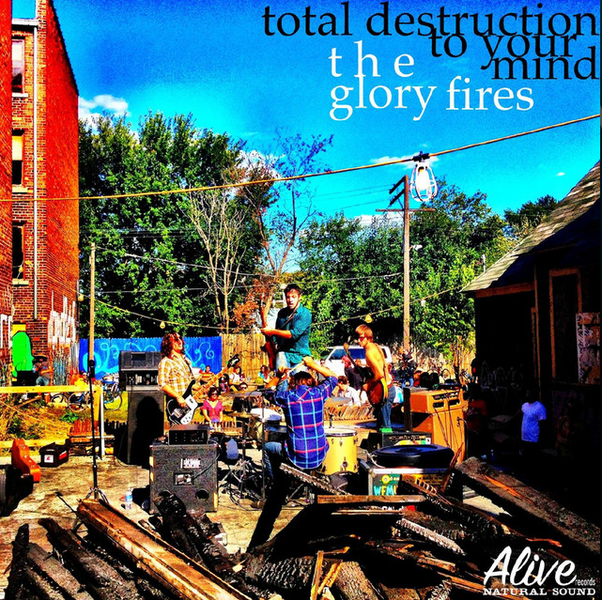
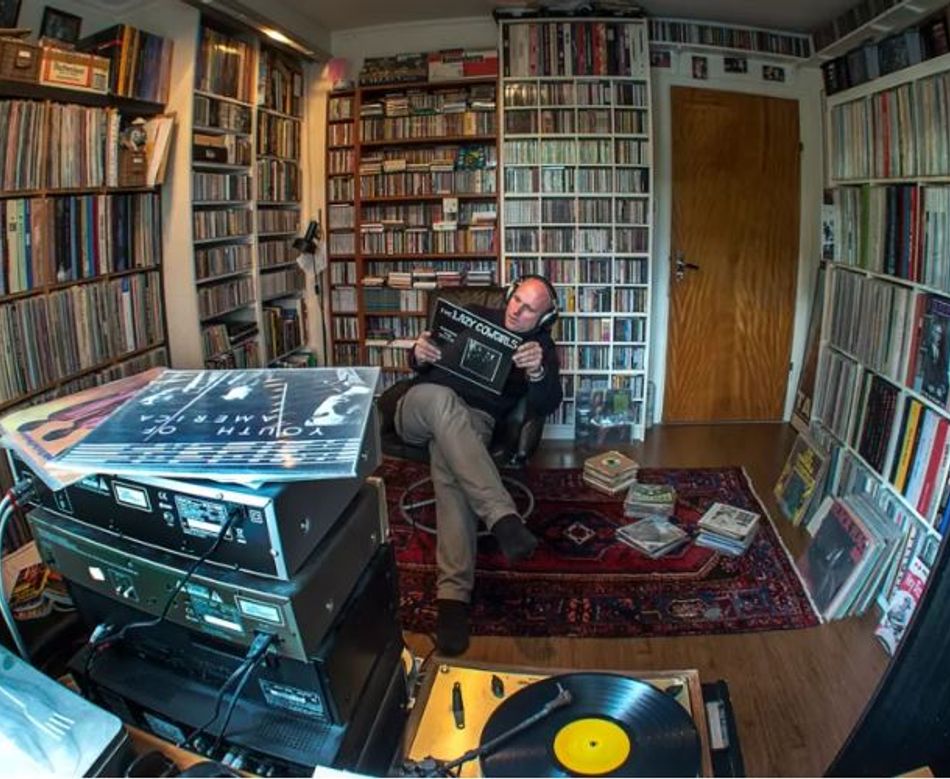
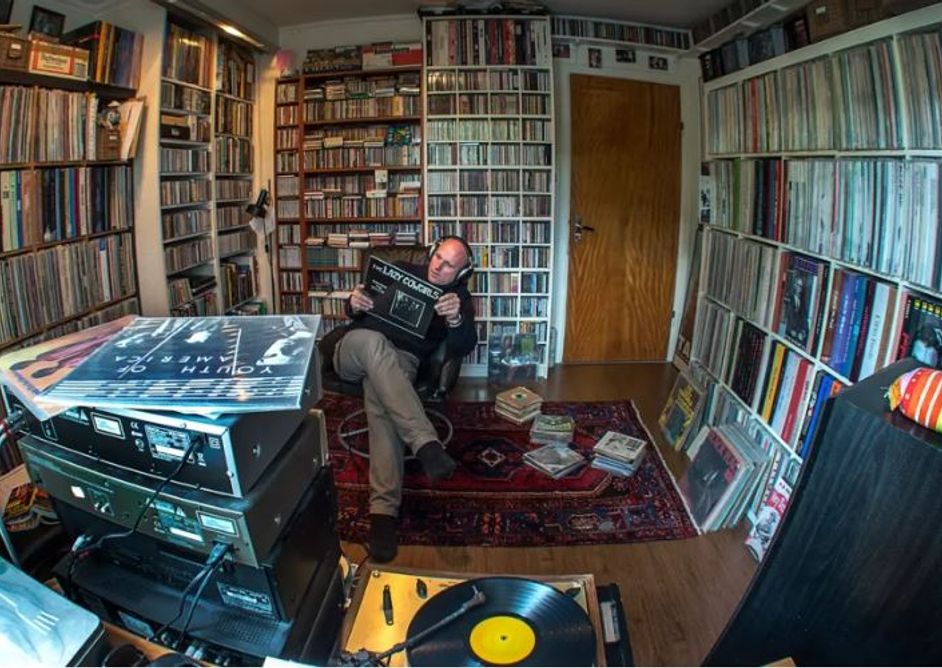
Lån på Biblå:
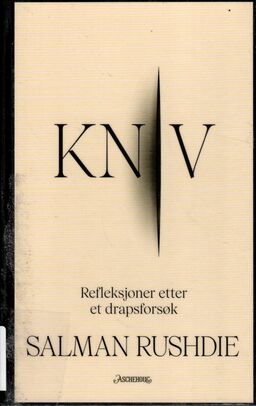
Bok
Kniv : refleksjoner etter et drapsforsøk
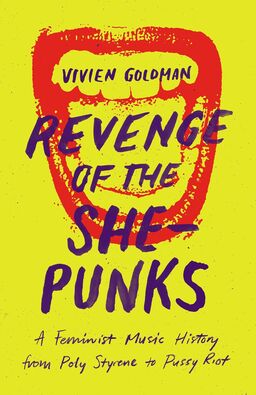
Bok
Revenge of the she-punks : a feminist music history from Poly Styrene to Pussy Riot
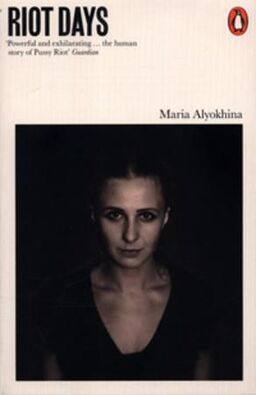
Bok
Riot days

CD
Works By Tuli Kupferberg (1923-2010)
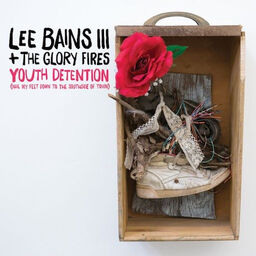
CD
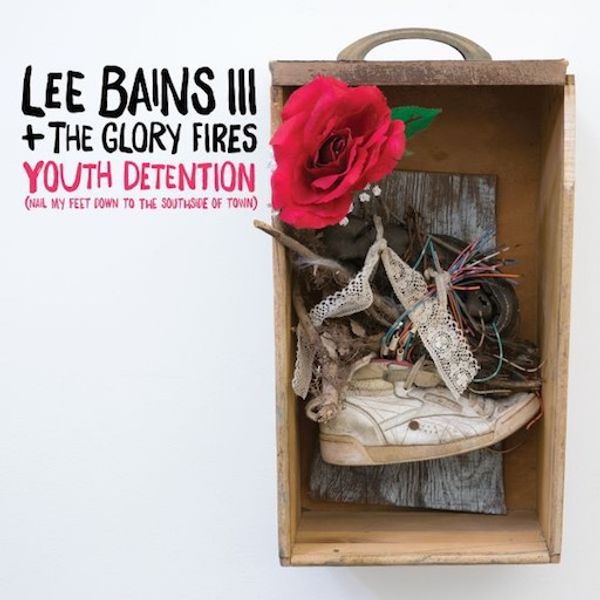
Youth detention (Nail my feet down to the southside of town)
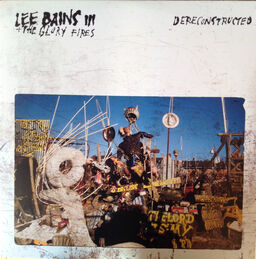
CD
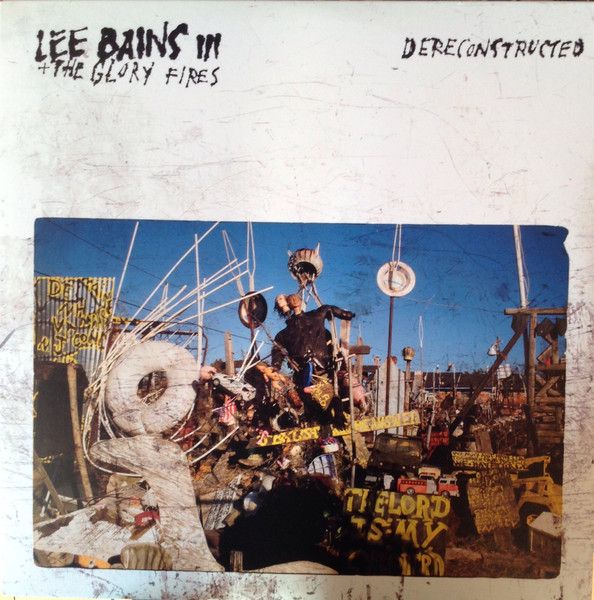
Dereconstructed

Bok
Ord kan knuse betong : historien om Pussy Riot

CD
Southeastern
CD
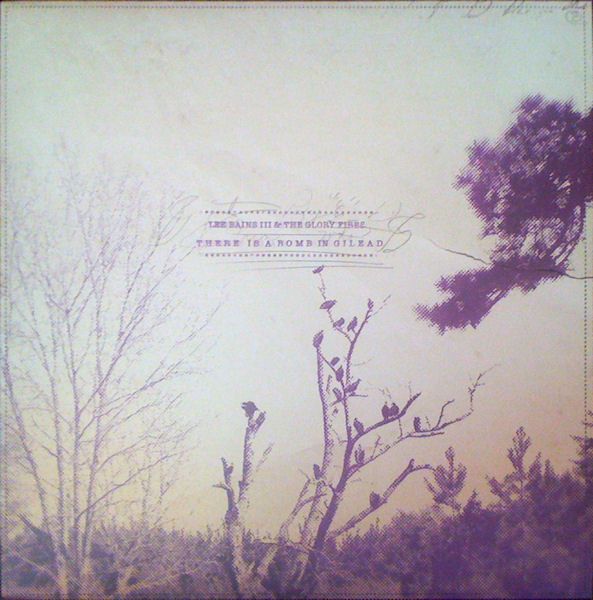
There is a bomb in Gilead
Bok
Midnattsbarn
Bok
Dirty South : Outkast, Lil Wayne, Soulja Boy, and the Southern rappers who reinvented hip-hop
CD
Idlewild
CD
Ambient 1 : music for airports
CD
13 songs
CD
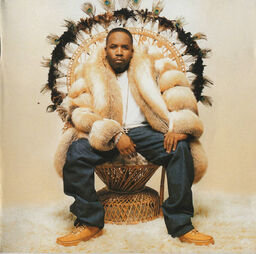
Speakerboxxx/The Love Below
CD
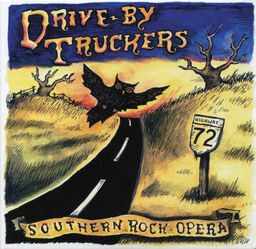
Southern rock opera
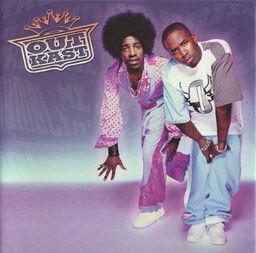
Big Boi & Dre present... Outkast
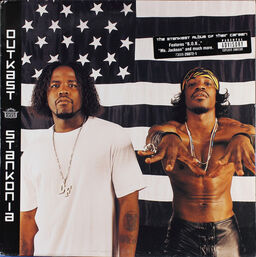
Stankonia
CD
Aquemini
Too Far To Care
Bok
Midnight's children

Bok
Gud leser ikke romaner : essays : en vandring i Salman Rushdies verden

Bok
Når kulturer kolliderer : et essay om islam og Europa med Salman Rushdies Sataniske verssom utgangspunkt
CD
Repeater
CD

